

IPL, the most advanced technique for facial rejuvenation
Editorial staff: Clínica Tufet Aesthetic Medicine Unit
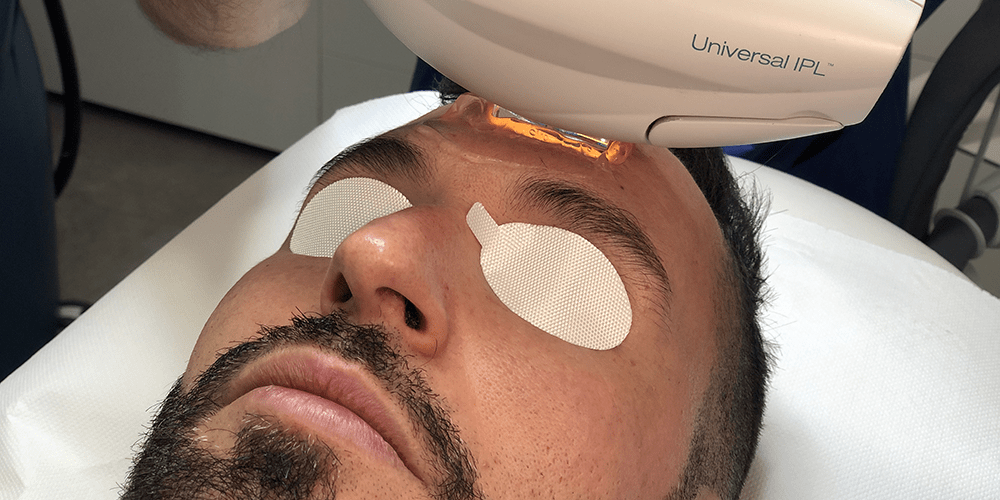
Look your best with IPL, the non-invasive solution for radiant skin
Discover how IPL, the Pulsed Light treatment, can improve the appearance of your skin and rejuvenate it without surgery.
If you are looking for an effective solution to improve the appearance of your skin, IPL facial treatment may be the answer you have been looking for.
With this non-invasive treatment, you can reduce sun spots, fine lines and wrinkles, as well as treat conditions such as acne, rosacea and facial redness. In addition, the stimulation of collagen formation will make your skin look younger and healthier.
IPL for blemishes: the key to flawless skin
Imagine having radiant, healthy skin! With IPL facial treatment, that’s possible. Plus, you won’t have to worry about invasive treatments or surgery.
At Clínica Tufet, we have been performing IPL treatments for more than 20 years with excellent results and very satisfied patients.
The history of IPL dates back to the 1990s in the USA, where the most important research on its effects on the skin was developed. Since then, its use has expanded rapidly, thanks to its versatility and effectiveness in various situations.
Learn what IPL does to the skin, how it works and the benefits and risks associated with IPL or pulsed light: the facial rejuvenation treatment that will allow you to feel more confident and secure.
What is IPL facial rejuvenation treatment and how can it help you improve your skin?
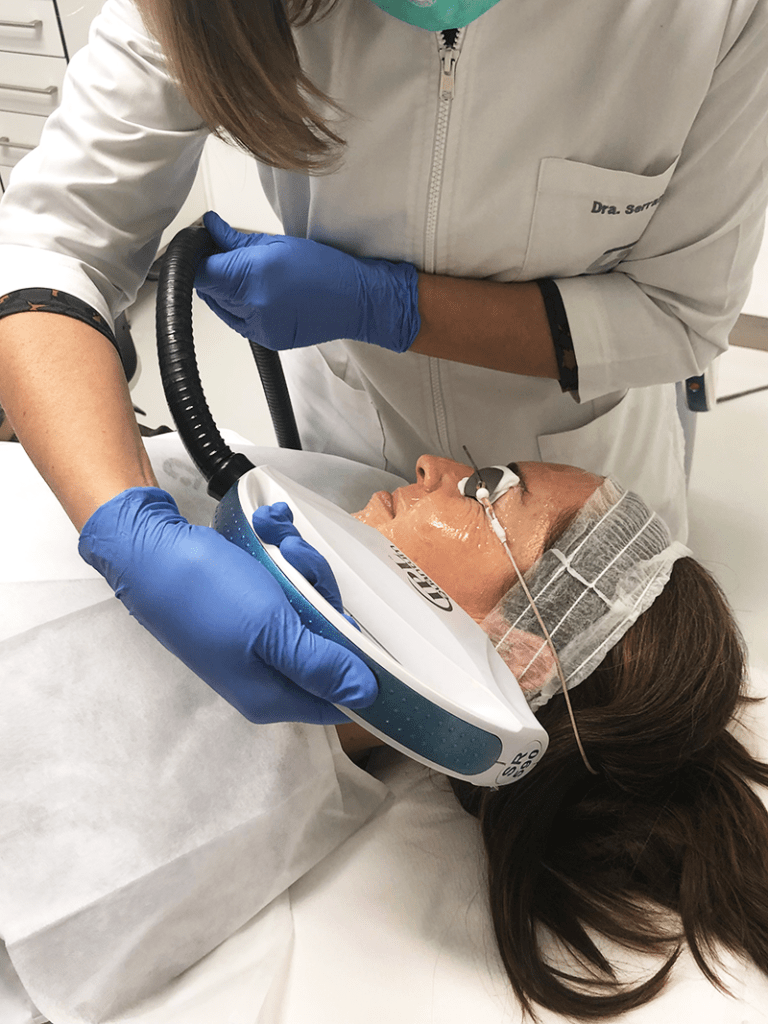
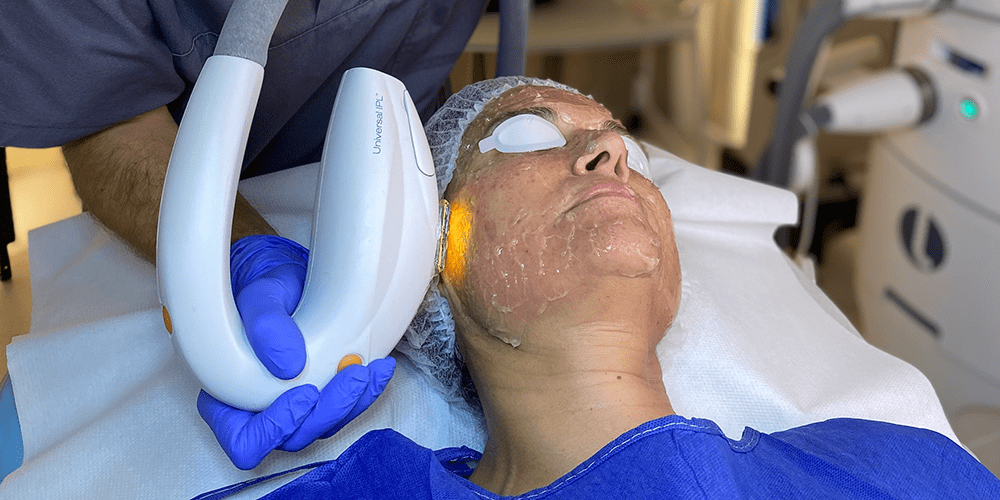
IPL facial treatment or pulsed light, also known as photorejuvenation, is a non-invasive dermatological medical treatment that uses pulses of intense light to improve our skin by acting on small imperfections and stimulating the formation of collagen, obtaining a cleaner and brighter skin.
Renew your skin with IPL
IPL is a special type of flash lamp that emits a high intensity polychromatic beam to penetrate the skin layers stimulating cell regeneration and collagen production. This in turn reduces the appearance of skin blemishes, veins and wrinkles.
How does IPL technology work on the skin?
IPL facial rejuvenation technology is a true revolution in aesthetic treatments. The important thing to take into account are the chromophores (hemoglobin, melanin, etc). Each of them has an absorption curve at different wavelengths.
This means that we can use different wavelengths according to your needs: removing blemishes, removing veins, improving elasticity, reducing pores, scars and even hair removal!
Which IPL is better?
There are several types of IPL available on the market, each with different wavelengths of light and specific characteristics.
The type of IPL photorejuvenation that is best for you will depend on the condition being treated and your specific needs. It is important to speak with a qualified professional to determine which type of IPL is best for you.
What are the benefits of IPL facial treatment?
IPL facial rejuvenation treatment has several benefits, among them:
- Improves overall skin appearance: Facial IPL can help reduce the appearance of blemishes, veins and wrinkles, improving the overall appearance of the skin.
- Stimulates collagen production: Collagen production is essential for maintaining youthful and healthy skin. Facial IPL stimulates collagen production, which helps reduce the signs of aging.
- Non-invasive treatment: IPL facial treatment requires no surgery or incisions, which means no downtime and fast recovery.
- Long-lasting results: The results of facial IPL treatment can last up to one year, making it an attractive option for those seeking a long-lasting solution for their skin.
What are the benefits of IPL facial treatment?
With a facial IPL session you can see amazing results, but it all depends on each patient and their individual situation, including the degree of aging, blemishes, small veins, scars and open pores.
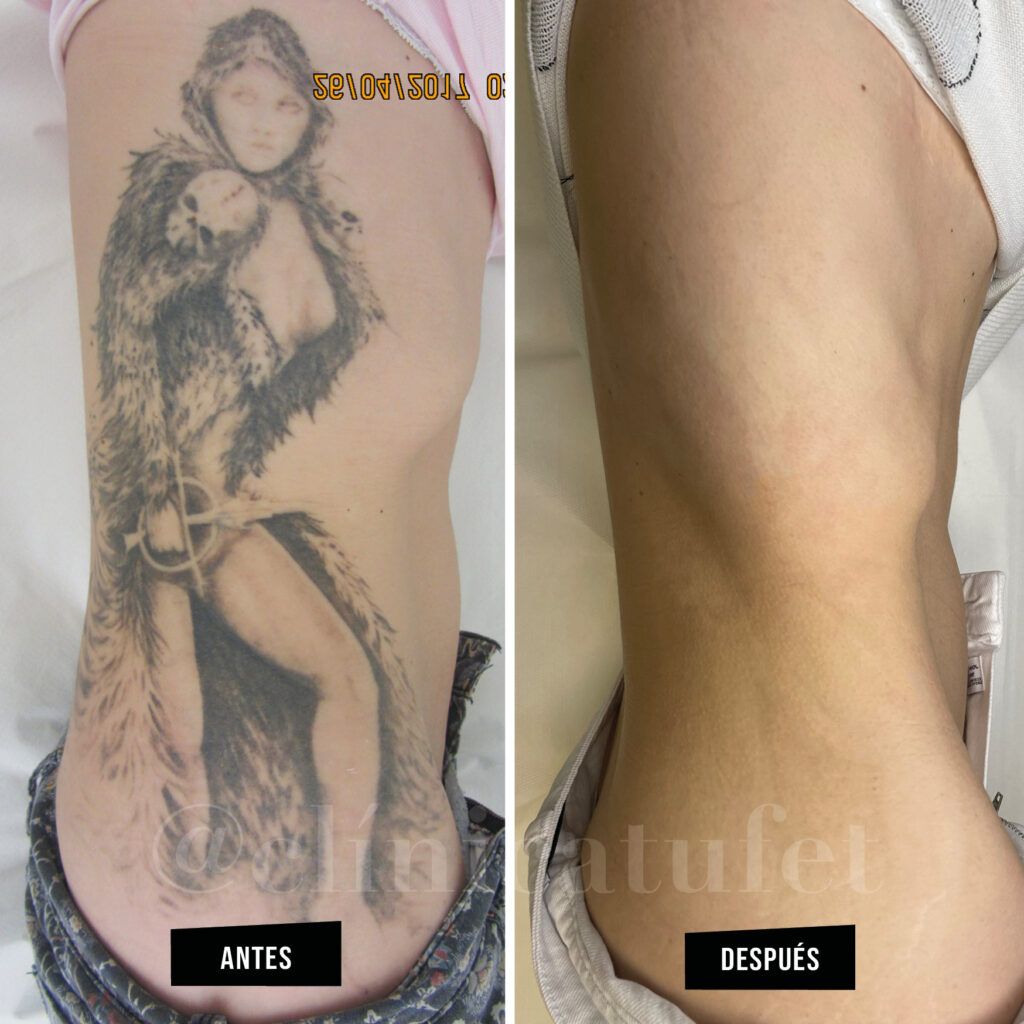
Discover here the IPL transformation before and after.
See complete procedure
- facial aesthetic medicine, IPL
Tufet Clinic. Aesthetic Medicine and Surgery
FAQs
Is IPL facial treatment safe?
It is important for you to know that facial IPL treatment is very safe as long as it is used correctly. However, as with any other treatment, adverse effects such as burns can occur if the proper procedure is not followed.
Before performing any treatment, it is essential that the specialist performs a diagnosis of all the lesions on the skin to decide what can and cannot be removed. For this, the patient’s clinical history and physical examination with the dermatoscope are essential.
In addition, each specialist can select or vary the fluence, the duration of the pulses, program shots of several pulses and modify the time between pulses (delay time) to obtain absolute control over each procedure. In this way, the treatment can be optimized and possible associated adverse effects can be reduced, providing a safe and effective experience to achieve the best results for your skin.
From what age is IPL facial treatment recommended?
How many IPL facial treatment sessions?
While some patients notice great improvement after one session, others may need up to three sessions in a row, each 4 to 6 weeks apart.
It is important to keep in mind that it is not possible to eliminate everything completely and forever, but the goal is to improve as much as possible.
We recommend one to three initial sessions and then repeat them every 6 to 12 months as needed.
Each session lasts between 30 minutes and 1 hour, depending on the area of the body being treated and the number of lesions being treated.
Improve your skin and feel confident with IPL facial!
Is IPL facial treatment painful?
The treatment may cause a prickling or warm sensation on the skin, but most patients do not describe it as painful. However, sensitivity to pain varies from person to person, so the experience may be different for each patient.
The use of anesthetic cream is not recommended during facial IPL treatment. It is important to consider the patient’s feedback and observe the skin to determine the appropriate energy to use.
The skin can indicate if we are using too much energy if it becomes very red or if the patient experiences excessive pain. The use of anesthetic cream can mask these signals and lead to using more energy than recommended, which can result in unwanted adverse effects.
Is IPL facial treatment suitable for all skin types?
Yes and no. In general, IPL photorejuvenation treatment is suitable for most skin types, but it should be noted that there are some conditions, such as melasma, that may be worsened by this treatment. In addition, people with darker skin are at a higher risk of developing pigmentation changes after IPL treatment.
While solar lentigines and ephelides (freckles) can be easily removed by IPL, other blemishes such as seborrheic keratoses can be more difficult to treat and may need to be combined with another type of laser for best results.
It is important to note that although IPL can effectively lighten lentigines and ephelides, its penetrating ability is more limited in deeper pigmented lesions such as melasma or Becker’s nevus. Therefore, it is critical that a specialist evaluate each patient’s skin and determine if IPL treatment is appropriate for their specific case.
Are there any side effects associated with IPL facial treatment?
Like any medical treatment, IPL or pulsed light can also have some side effects. It is normal to experience some redness and swelling, but burning or changes in skin pigmentation may also occur.
However, these side effects are usually manageable and do not usually leave sequelae. It is important to always follow medical recommendations to minimize possible adverse effects and to ensure that the treatment is as effective and safe as possible.
What is pulsed light and what does it do on the skin?
Pulsed light is a non-invasive treatment technique that uses pulses of intense light to penetrate the skin and stimulate the production of collagen and elastin. This can help reduce the appearance of sun spots, moles, wrinkles and other skin conditions.
The pulsed light penetrates the skin and is absorbed by melanocytes, which are the cells that produce pigment in the skin. The energy of the pulsed light selectively destroys these melanocytes, resulting in the removal of sunspots and moles.
Treatment of moles and sunspots with IPL or pulsed light.
Pulsed light can be effective in treating moles and sun spots on the skin. In the case of moles, it is important to make sure they are evaluated by a dermatologist to rule out any possibility of skin cancer before undergoing any treatment. In the case of sunspots, pulsed light can be an effective solution to remove them safely and effectively.
Pulsed light and sun
It can be performed all year round as long as there is no sun exposure. In our geographical region we usually perform the treatments from October to April approx.
After receiving a pulsed light treatment, it is important to avoid direct sun exposure for at least 48 hours. The skin may be sensitive and prone to burning after treatment. In addition, it is important to apply sunscreen regularly after treatment to protect the skin from harmful UV rays.
Pulsed light and moles
It is important to keep in mind that moles should not be removed with IPL, Pulsed Light treatment as these are lesions that require other treatment methods. It is essential to consider the type of lesions you have and evaluate which ones can and cannot be removed. Your doctor will always inform you which lesions can be removed with IPL treatment.
IPL contraindications: what you should know before undergoing treatment.
Before treatment:
- Avoid sunbathing for the previous month to month and a half (including UV lamps), also avoid self-tanning products.
- Avoid makeup on the day of the procedure.
- Contraindicated during pregnancy or lactation; some pathologies may contraindicate the treatment (always under medical evaluation), such as active herpes simplex, etc.
- Recommended use of depigmenting creams in the weeks prior to treatment.
- Photosensitizing drugs should be avoided 48 hours prior to treatment.
- The use of retinoic acid and glycolic acid should be avoided in the days prior to treatment.
- In case of taking oral isotretinoin, a space of about 8 weeks should be left from the last intake of mediation until the IPL session can be performed.
After treatment:
- The area may be somewhat reddened and uncomfortable, as if from excessive sun exposure, but there will be no bleeding lesions or wounds and the skin remains intact.
- The redness usually disappears in the first hours after treatment.
- The blemished areas are usually darker and with some peeling, almost imperceptible, which disappears within 7 to 20 days post-treatment.
- Once treatment has been performed, normal activities can be resumed but avoiding heat sources (swimming pools, sauna, etc.) and intense physical activity for the following 48 hours.
- The face should be cared for with a regenerating cream and the skin should be kept moisturized until full recovery.
- It is mandatory to use sun protection every day.
YOU MAY BE INTERESTED IN