


- Treatments, Dermatology Unit
DNA Test in Aesthetic Medicine: safety begins in your DNA
What is
What is DNA Test Bsure?
The DNA Test Bsure is an innovative genetic tool that allows the detection of individual predisposition to develop adverse reactions to any filler or material used in medical-aesthetic treatments.
Its objective is to guarantee safety, efficacy and personalization in each procedure, minimizing risks and optimizing results.
At Clínica Tufet Barcelona, science and prevention come together to offer safe, responsible aesthetic medicine adapted to your unique biology.
Applications
Detects genetic predisposition to different reactions
Time results
The report is received between 10 and 14 days per year.
How many times is it performed
Once in a lifetime
Pain intensity
Painless
Information
What does the DNA Test analyze?
Using a simple saliva sample, the test identifies genetic variations in human leukocyte antigens (HLA), which are directly involved in inflammatory responses of the immune system.
Thanks to this information, our specialists can anticipate possible immunological complications and personalize treatments with maximum safety and precision.
A single genetic test for a lifetime of prevention and confidence.
What do the results mean?
Negative result:
The risk of immunological reaction is very low, allowing medical-aesthetic procedures to be performed with complete peace of mind.
Positive result:
There is a genetic predisposition to react to certain materials or substances.
In this case, our medical team at Clínica Tufet assesses personalized and safe alternatives, avoiding exposing the body to potentially triggering agents.
Safer and more personalized aesthetic medicine
The DNA Test Bsure is performed only once in a lifetime, since your genetic information is stable, and its results allow us to design safer aesthetic treatments adapted to your biology.
Science, prevention and confidence to take care of your health and beauty from the root. DNA Test Bsure represents an advance towards precision aesthetic medicine, where applied genetics becomes the basis for safety and personalization.
Thanks to the identification of HLA variants, we can predict inflammatory reactions, avoid complications and select the fillers or materials most compatible with your body.
How is the DNA Test performed?
1. Sample collection
A simple saliva sample is sufficient. No needle pricks, no pain and no prior preparation.
2. Sending to the laboratory
The sample is sent to a specialized laboratory, where the HLA genetic markers related to the immune response are analyzed.
3. Genetic analysis
Using advanced sequencing technology, genetic variants that may increase the risk of foreign body reaction are identified.
4. Results report
Within 10 to 14 days, we receive a detailed and confidential genetic report, interpreted by our medical team.
5. Personalized medical assessment
Our specialist doctor analyzes the results and defines a treatment plan adapted to your biology, always prioritizing safety, compatibility and efficacy.
More than 30 years of experience in aesthetic medicine and a constant commitment to innovation, science and patient safety.
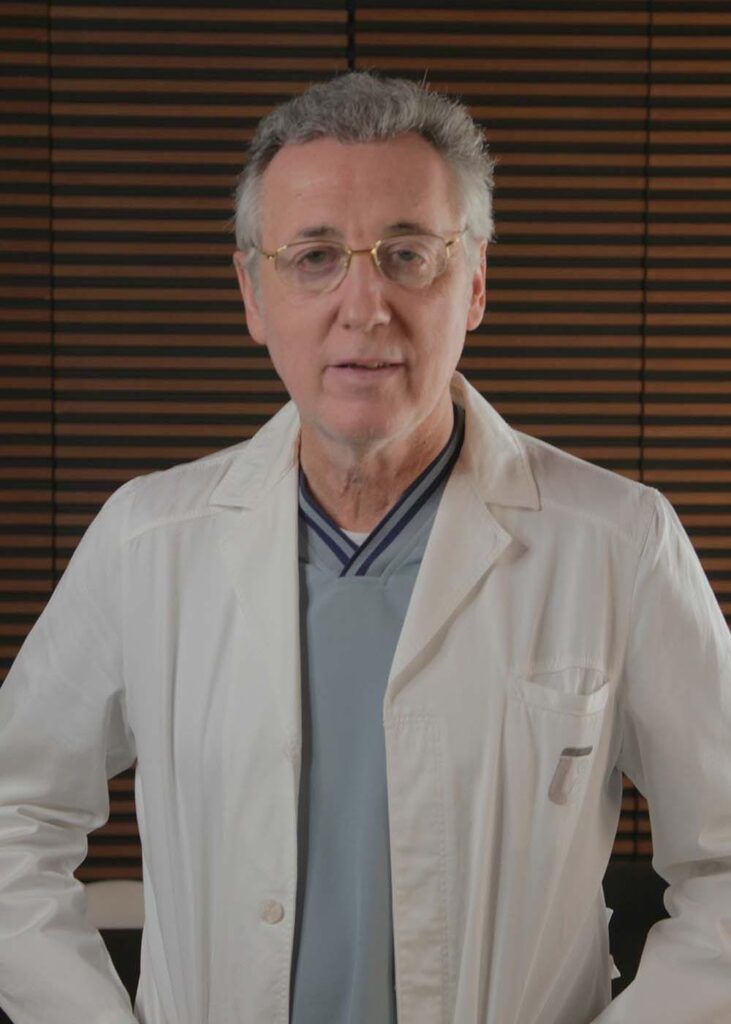
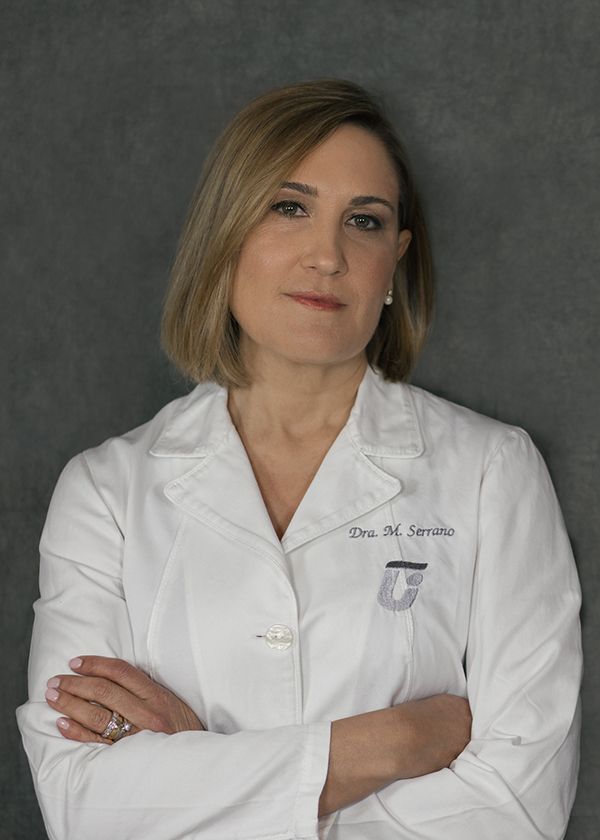
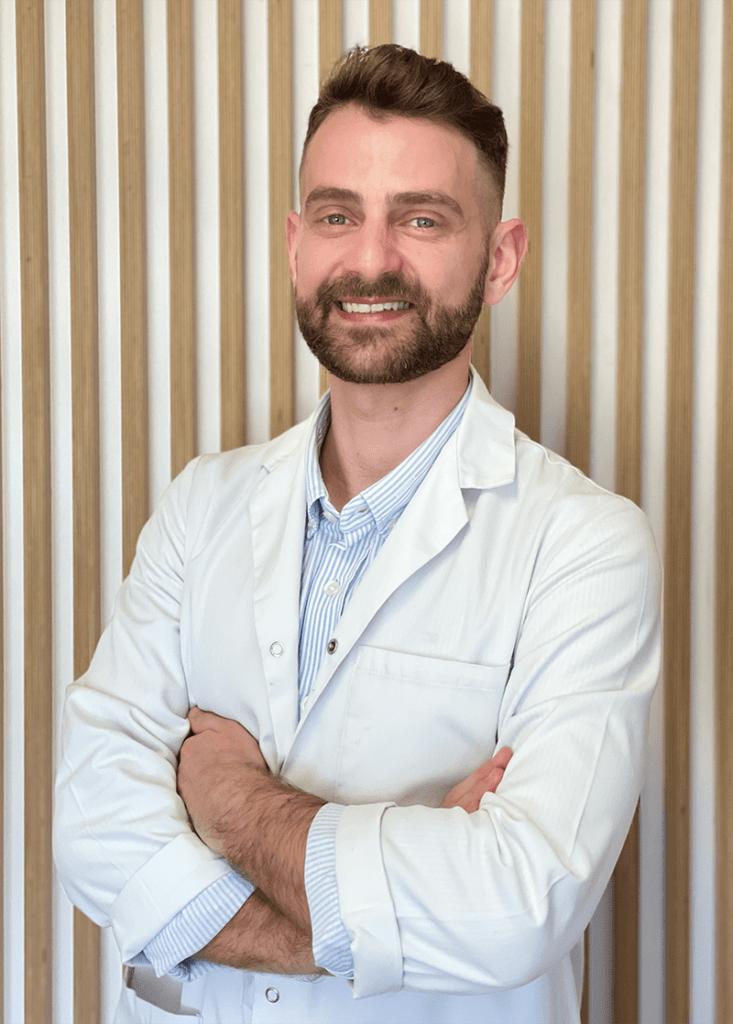
Team
Expert team in ultrasound using AI

FAQs
What is the DNA Test Bsure for?
Detects genetic predisposition to adverse immunological reactions against fillersor other medical-aesthetic materials.
When is it recommended?
Prior to any aesthetic procedure involving the use of fillers, biostimulators or injection materials, especially if you have had previous inflammatory reactions or sensitive skin.
What happens if the result is positive?
If the result is positive, our medical team adapts the protocol and selects safer alternative treatments, avoiding materials that may trigger an immunological reaction.
Is the test painful or invasive?
No. DNA Test Bsure is performed with a simple saliva sample, without needles, without pain and without prior preparation.
How long does it take to get results?
The genetic report is received 10 to 14 days after sample collection.
Once available, a personalized medical consultation is scheduled to interpret the results and plan the safest treatment.
How many times should the test be performed?
Only once in a lifetime, since genetic information does not change.
Its results serve as a basis for any future medical-aesthetic treatment.