


- Dermatology Unit, Conditions
Acne
What is
What is acne?
Acne (or acne vulgaris) is a skin condition that, although most common in adolescence, can appear at any age in life.
It affects the sebaceous glands. These glands produce a greasy substance called sebum. The pores connect to these glands through a channel called a follicle. Inside the follicles, sebum transports dead skin cells to the surface of the skin. A thin hair also grows under the skin and passes through the follicle to reach the surface. When a follicle is plugged, a pimple is created.
Information
Why does it appear
The appearance and persistence of acne has been related to several factors, such as the presence of oily skin, a bacterium called Propionibacterium acnes (which lives in the skin follicles and produces substances responsible for inflammation), hormones, which stimulate the development of the sebaceous glands, or the keratinization of the follicles, that is, the formation of a small plug formed by detached skin cells, which prevents sebum from being expelled in a normal way.
Who is affected
Acne can occur in people of all races and ages. It is more common in adolescents and young adults, somewhat earlier in girls than in boys.
An estimated 80% between the ages of 11 and 30 have breakouts at some point. Still, some people have acne well into their 40s and 50s.
In women, it can also appear during the third decade of life, and persist during fertile life.
It can also appear at any age associated with some drug treatments (drug-induced acne).
A special case is that of neonatal acne, which occurs in some newborns during the first weeks of life and resolves with the passage of time.
Types of treatments
In order to approach the treatment of acne, a level of severity must be established, based on which a choice is made among the available treatment options. For any case of acne, appropriate hygiene measures will be indicated to complement the treatment prescribed.
In cases of mild acne:
Treatment will begin with topical products, among which there are several options, alone or combining several products. Among the most commonly used are benzoyl peroxide, topical antibiotics, azelaic acid or adapalene.
In case of acne in women, one therapeutic option is the use of hormonal contraceptives with anti-androgen agents.
Treatment in case of severe acne:
In moderate and severe acne in both sexes, oral antibiotics can be used in long courses, or treatment with oral isotretinoin can be used. In this case, it is important to know its side effects, and the importance of taking contraceptive measures, since the drug can produce important malformations in case of pregnancy.
Treatment with Isotretinoin
This treatment is very active in both inflammatory and non-inflammatory lesions, however, it is not active at all in scars, so we should always prescribe it before these have started to develop.
The most common side effect is dry skin and mucous membranes, for which the patient should apply moisturizer to both the face and lips, and may even require ocular hydration.
Another side effect that we may encounter is that there may be a discrete elevation of transaminases or blood lipids, especially cholesterol. For this reason we will perform blood tests before and during the whole treatment.
Real cases
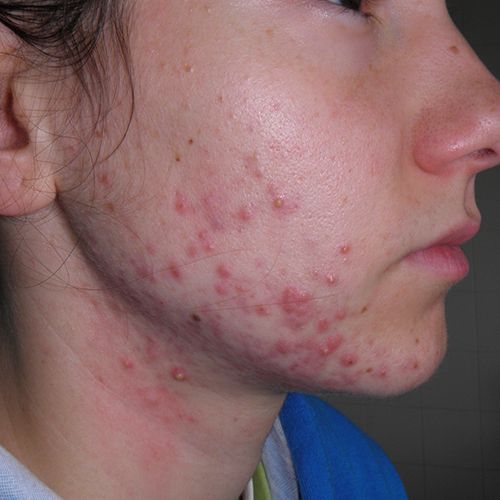
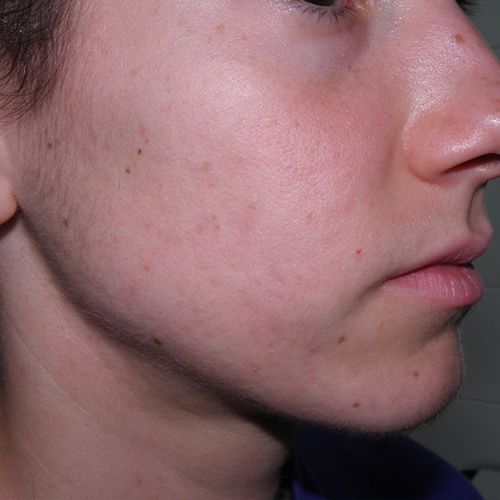
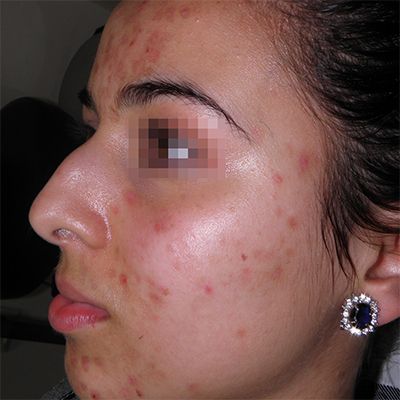
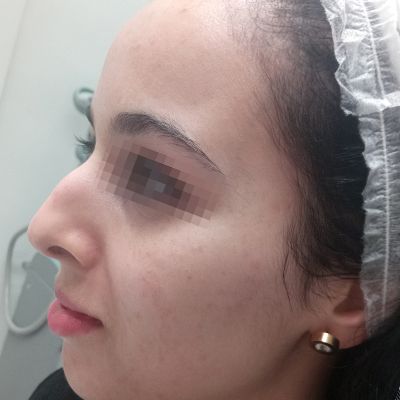
Before and after treatment
Throughout all these years many patients have trusted us. We show you some real cases.



Multimedia
Treatments
Video
Our doctors explain
The most powerful monopolar radiofrequency on the market. Personalized, pulse by pulse, to treat facial repositioning. What do we get with Thermage FLX and how does it rejuvenate your skin by 5 years?
Video content:
Definition of radiofrequency
2. Definition of bioimpedance
3. Thermage results
4. New Thermage FLX
5. Recommended age for application
FAQs
Who can be affected by acne?
Acne can occur in people of all races and ages. It is more common in adolescents and young adults, somewhat earlier in girls than in boys.
An estimated 80% between the ages of 11 and 30 have breakouts at some point. Still, some people have acne well into their 40s and 50s.
In women, it can also appear during the third decade of life, and persist during fertile life.
It can also appear at any age associated with some drug treatments (drug-induced acne).
A special case is that of neonatal acne, which occurs in some newborns during the first weeks of life and resolves with the passage of time.
How is acne diagnosed?
The diagnosis of acne is clinical, and does not require the performance of any complementary test.
Does Isotretinoin Treatment work for acne scars?
This treatment is very active in both inflammatory and non-inflammatory lesions, however, it is not active at all in scars, so we should always prescribe it before these have started to develop.
What are the side effects of Isotretinoin Treatment?
The most common side effect is dry skin and mucous membranes, for which the patient should apply moisturizer to both the face and lips, and may even require ocular hydration.
Another side effect that we may encounter is that there may be a discrete elevation of transaminases or blood lipids, especially cholesterol. For this reason we will perform blood tests before and during the whole treatment.