


- Conditions, Vascular unit
Varicose and spider veins
What is
What are varicose and spider veins?
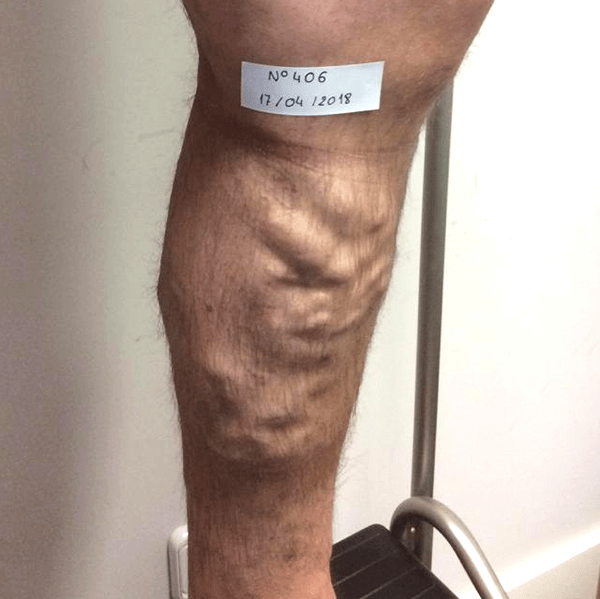
Varicose veins are abnormally dilated veins that do not properly perform their function as veins, which is to return blood from the feet to the heart.
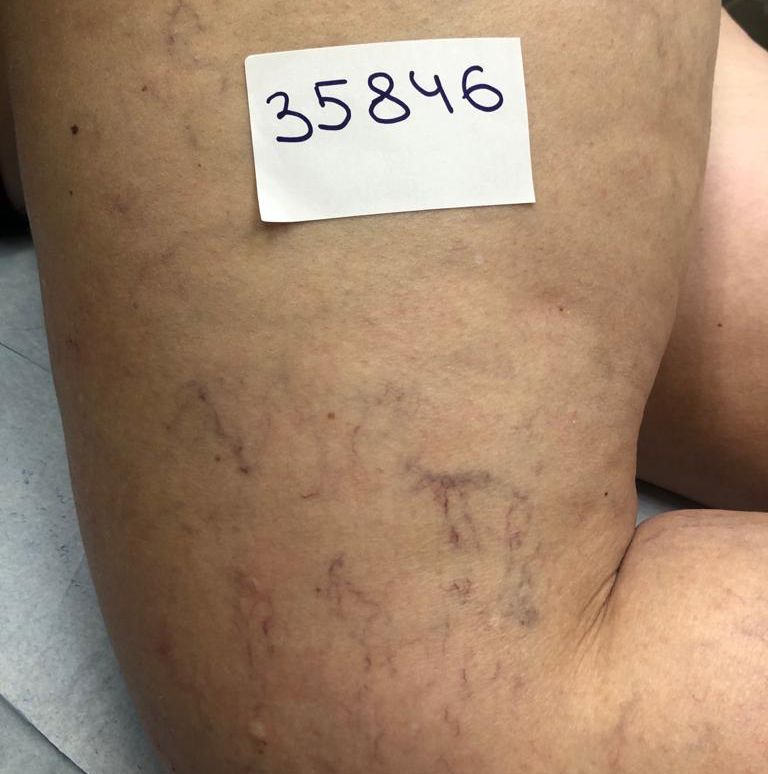
They are larger than 4mm in size and are palpable, unlike spider veins. The popular term “spider veins” encompasses telangiectasias (0.1-1mm vessels that are not palpable and are usually red to lilac in color) and reticular veins (1-4mm vessels that are not palpable and are usually green to blue in color).
Information
How to diagnose
Diagnosis is clinical, by clinical history and physical examination. As recommended by the European Vascular Surgery Guidelines, for the study of the cause of varicose veins or spider veins, a venous echo-Doppler of the lower extremities should be performed.
With the Doppler ultrasound (non-invasive, painless and risk-free test), thrombi are ruled out and the leg valves are studied to identify any anomaly. Then, it is investigated if the venous blood flow is directed upwards (normal), or if there is any type of reflux (blood flowing in the opposite direction to normal).
How varicose veins are treated
The treatment depends on the type of vein to be treated and its origin. In the case of varicose veins, the cause of the varicose veins must be treated first (because if we do not treat the cause, they will come back early):
If the origin of the problem is an incompetence (malfunction) of the saphenous veins, the recommendation is treatment with thermal ablation (radiofrequency or laser). A puncture is made in the diseased vein and its closure is performed by catheterization with heat.
If the saphenous veins are functioning properly, two possible treatments are considered depending on the exact origin of the varicose vein:
- Ultrasound-guided sclerotherapy with foam: a puncture is made in the diseased vein and polidocanol is injected in the form of foam to achieve chemical closure of the vein.
- Microsurgery: a microincision is made to disconnect the diseased vein.
How spider veins are treated
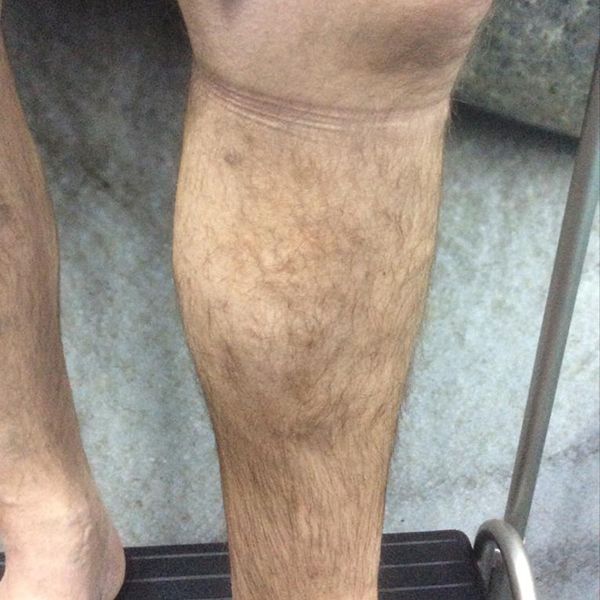
Once the cause of the varicose veins has been treated, they are removed because they are veins that do not work properly and two techniques are performed depending on the case: microsurgery or sclerotherapy.
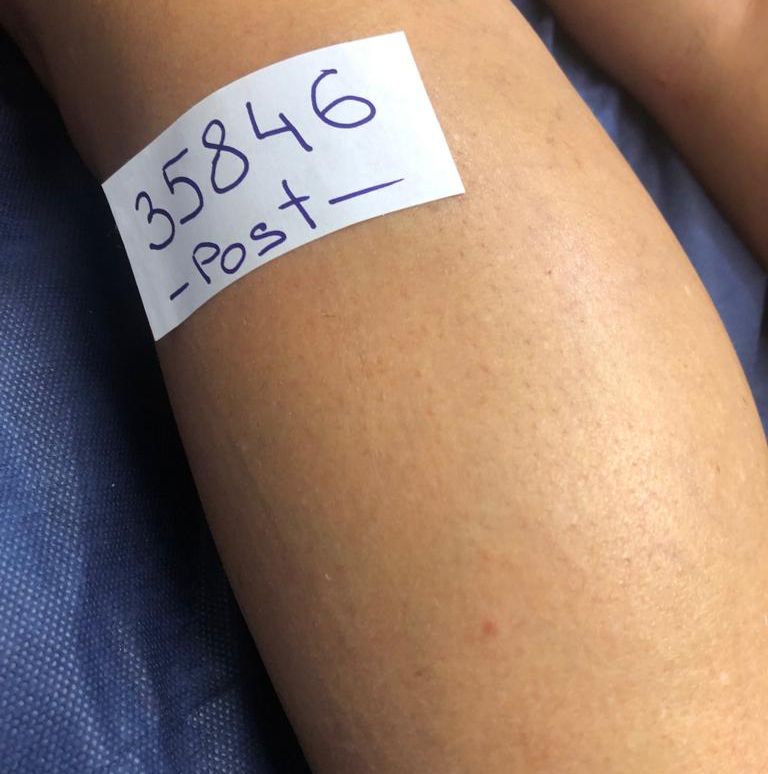
In the case of spider veins, the recommendation is treatment with sclerotherapy, which consists of the injection of polidocanol to close the diseased vein.
What is included in the first visit
The first visit includes anamnesis (detailed medical history), a complete physical examination focused on the vascular area and a venous Doppler ultrasound for the study of varicose veins.
If the patient has any vascular risk factor (such as smoking, high blood pressure, sugar or cholesterol), a carotid ultrasound will be recommended to study if there is any type of plaque or atheroma in the carotid area (the arteries that carry blood to the brain) as a preventive measure.
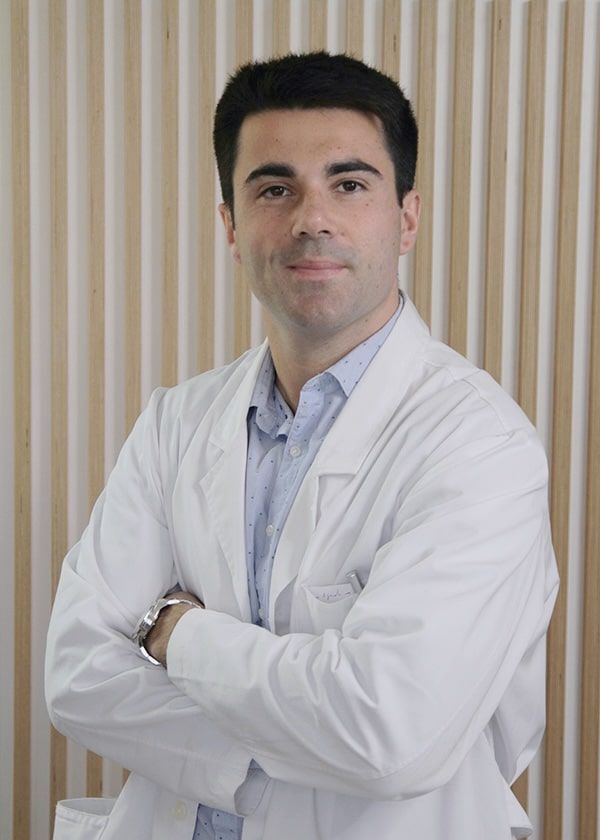
Why treat with Dr. Gonzalez-Sagredo?
Dr. Gonzalez-Sagredo is a specialist in Vascular Surgery and Angiology, with exclusive dedication to the comprehensive treatment of varicose veins and spider veins of the legs. He performs from minimally invasive treatments in consultation, to surgery in those cases that require surgical intervention in the operating room.
His training in Medicine and Surgery was done at the Hospital Clinic of Barcelona for 6 years and specialization in Angiology and Vascular Surgery at the University Hospital of Bellvitge for 5 years. He has made training stays in France and Italy and has been certified by the European Society of Vascular Surgery and Spanish Society of Vascular Surgery in Ultrasound and by the Phlebocourse Italy in the treatment of varicose veins and spider veins.
He is a PhD Candidate at the University of Barcelona in Surgical Infection Prevention, his other passion beyond varicose veins, which has allowed him to become a member of the prestigious board of the European Society of Surgical Infections.
He has been awarded the first prize of the Catalan Society of Vascular Surgery in 2023 and 2024, and the first prize of the Spanish Chapter of Phlebology in 2025. He has obtained the second National award of the Spanish Society of Vascular Surgery in 2022 and 2023. He has received the third prize in the European Competition for Open and Endovascular Surgery and the first prize for the best national research project Mutual Médica 2023.
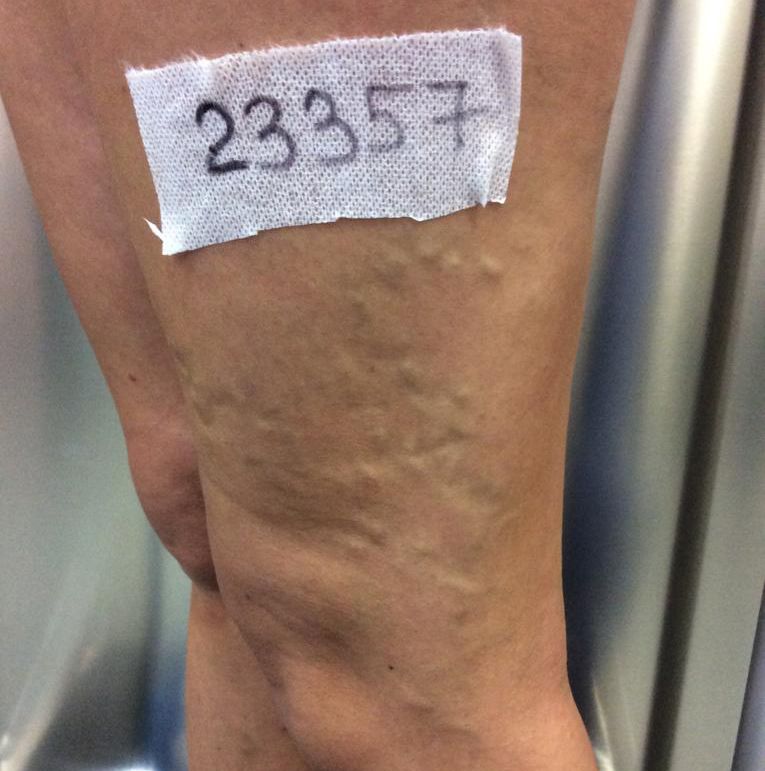
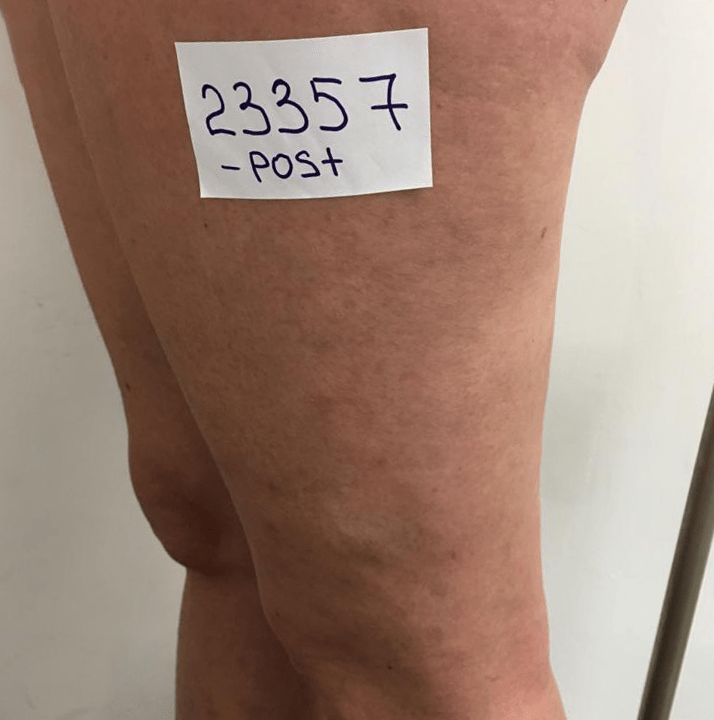
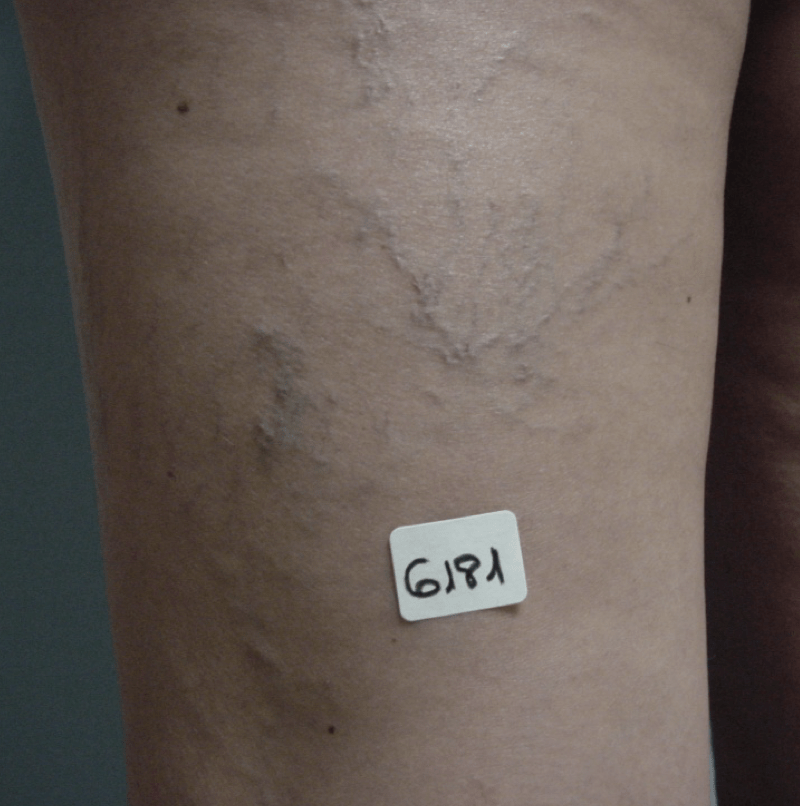
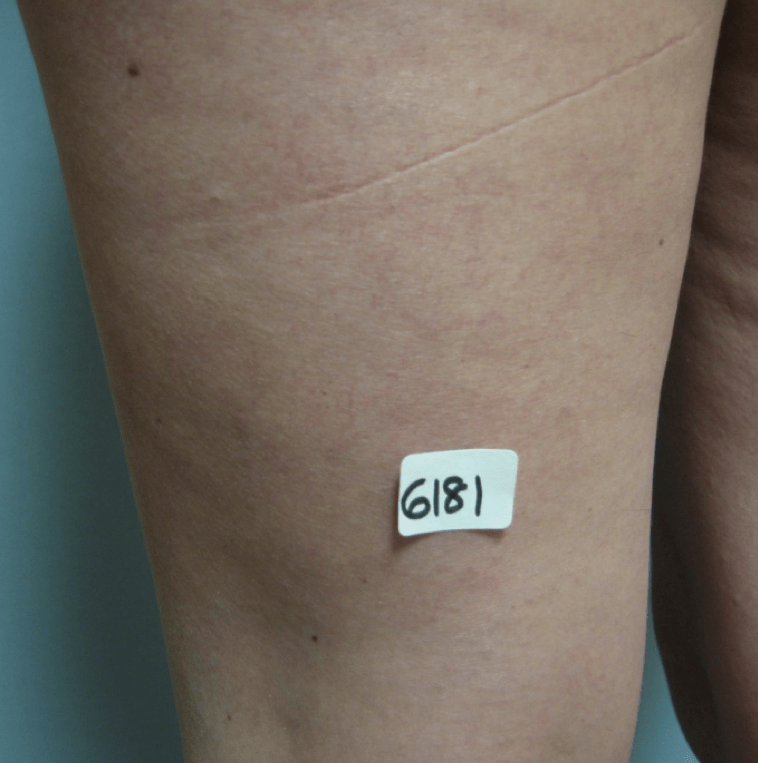
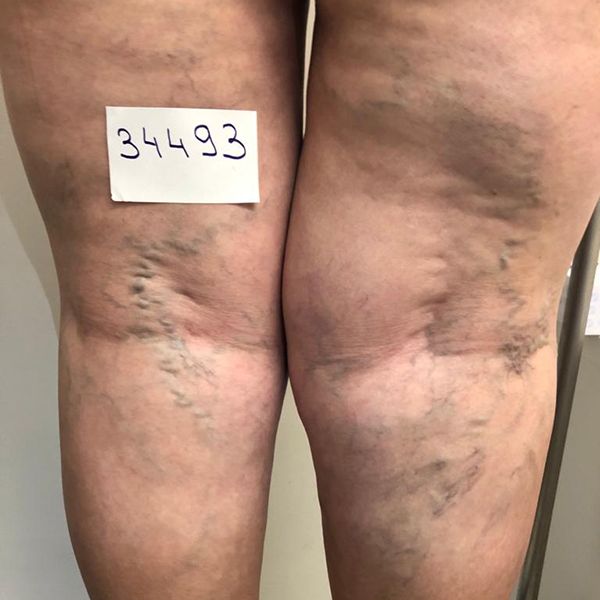
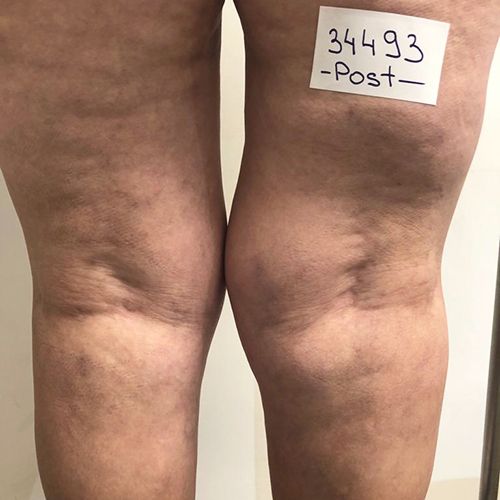
Real cases
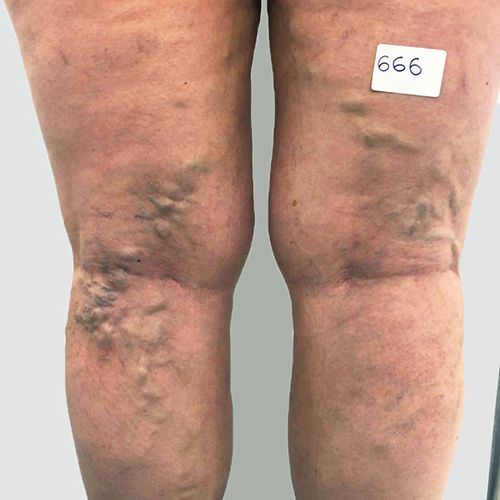
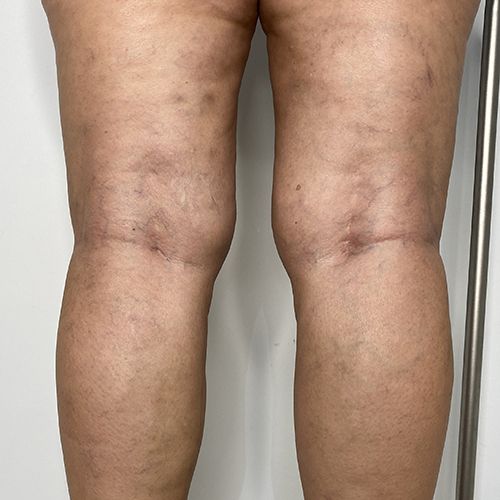
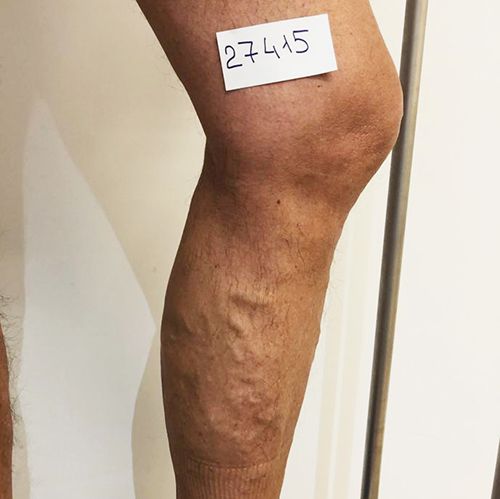
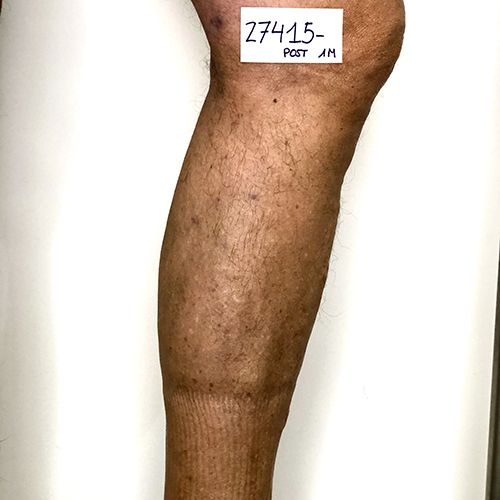
Before and after treatment
Throughout all these years many patients have trusted us. We show you some real cases.
Team
Phlebology expert team
FAQs
What is a first visit with Dr. Gonzalez-Sagredo like?
The first visit includes anamnesis (detailed medical history), a complete physical examination focused on the vascular area and a venous Doppler ultrasound for the study of varicose veins.
If the patient has any vascular risk factor (such as smoking, high blood pressure, sugar or cholesterol), a carotid ultrasound will be recommended to study if there is any type of plaque or atheroma in the carotid area (the arteries that carry blood to the brain) as a preventive measure.