


- Facial unit, Treatments
Ultherapy
What is
What is Ultherapy?
Ultherapy is a non-surgical treatment that acts in the deeper layers of the skin stimulating the production of collagen and elastin for firmer skin. It is indicated for those who do not want to undergo surgery and who appreciate the progressive results of this non-invasive lifting to improve the lack of firmness in the skin.
Applications
Face and neck
No. Sessions
1-3 with 3-month intervals
Duration of treatment
30-60 minutes
Pain intensity
Somewhat annoying
Recovery time
Immediate
Visibility of improvement
Within 2-3 months, the skin appears firmer and smoother.
Recommended time of year
All year round
Indications
Definition of the facial oval
Information
How it works
Through focused ultrasound, thermocoagulation points are created in the fatty and muscular tissue of the face. At all times, the specialist is guided through an ultrasound scanner that is incorporated in Ultherapy to know at what depth it acts.
This guarantees maximum safety and optimal results in skin tightening. Therefore, this treatment is perfectly adapted to the specific needs of each patient, achieving a natural look without surgery or recovery time.
The safety profile is well established, as several specific medical studies have been published. More than 1.75 million treatments have been performed worldwide. The incorporation of an ultrasound scanner that indicates the exact working areas where to safely deposit the ultrasound and the qualification of doctors to know how to interpret the data, have been a large part of Ultherapy’s success.
Areas of application
- Face, definition of the facial oval
- Collar
- Eyebrows
- Chin
- Cleavage lines and wrinkles
Results
Ultherapy will not replicate the results of surgery, however, it is a clinically proven non-invasive alternative for those who do not want a surgical facelift.
The definitive results will be visible after three months, as the body needs this time to create new collagen fibers. The cumulative effects improve with time.
Duration and frequency
In most cases, one session is required for facial skin tightening. However, it depends largely on the degree of sagging. Annual follow-up treatments can help maintain results.
The duration of treatment depends on the area treated and the individualized treatment plan of each patient.
A face and neck treatment lasts around 60-90 minutes, while the décolleté is treated in approximately 30 minutes.
Care
You can be active after the Ultherapy treatment. You do not have to undergo any procedures or post-treatment care.
Your skin may be slightly reddened, but it will disappear within a few hours. Some patients experience slight swelling or tingling, but these are mild and temporary in nature.
Differences with other treatments
By using an ultrasound system, the exact treatment site is located.
It is the only system that treats the superficial musculature of the face and neck safely and without convalescence.
Ultherapy or Thermage?
Unlike monopolar radiofrequency, Ultherapy penetrates into the deeper layers of the skin.
It is the only non-surgical treatment approved by the FDA to tighten the skin of the neck, décolleté and eyebrows.
Thermage is used specifically to tighten and rejuvenate skin contours.
Can Ultherapy replace traditional surgery?
Ultherapy treats the deep base layer of the skin (superficial musculoaponeurotic system, SMAS) that is treated in cosmetic surgery.
However, you will not have as dramatic results as with a surgical facelift.
It is a great alternative to surgery, especially for:
- those who are not prepared to undergo one.
- patients seeking to extend its effects.
Real cases
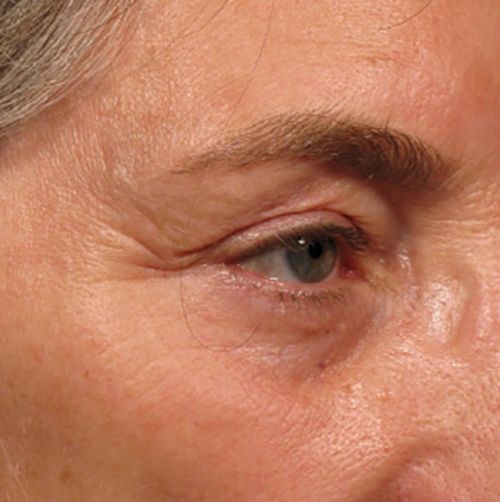
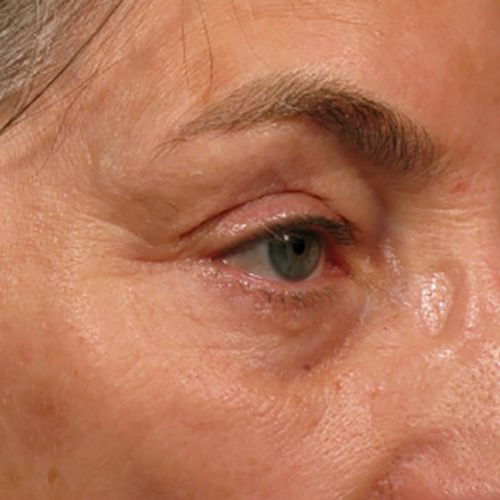
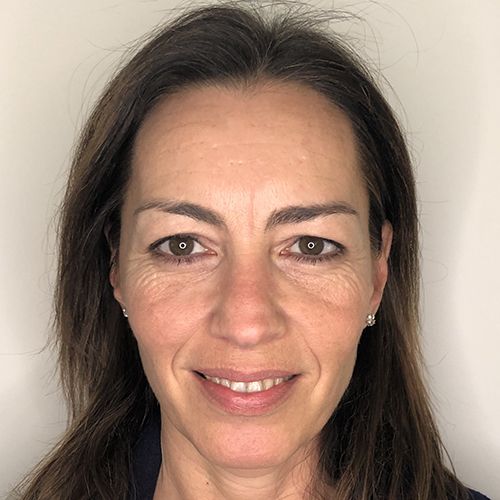
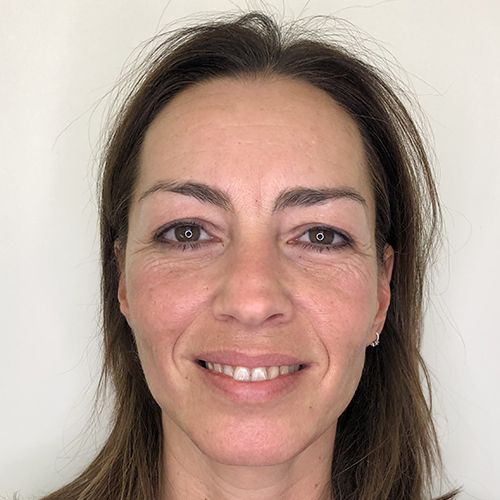
Before and after Ultherapy
Throughout all these years many patients have trusted us. We show you some real cases.


Team
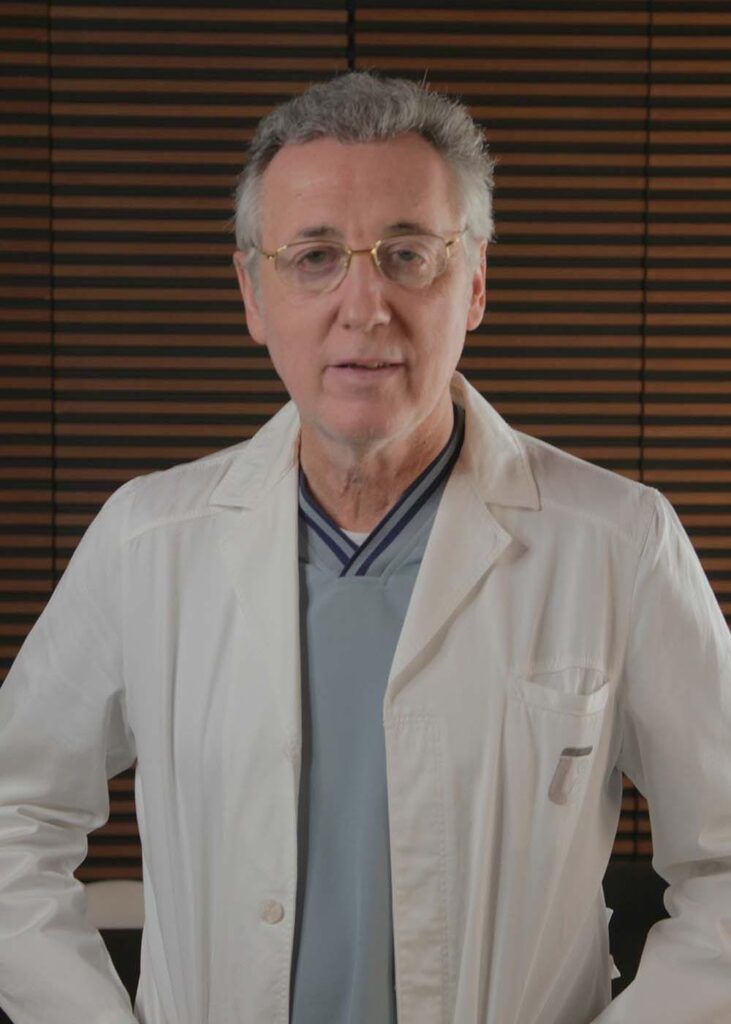
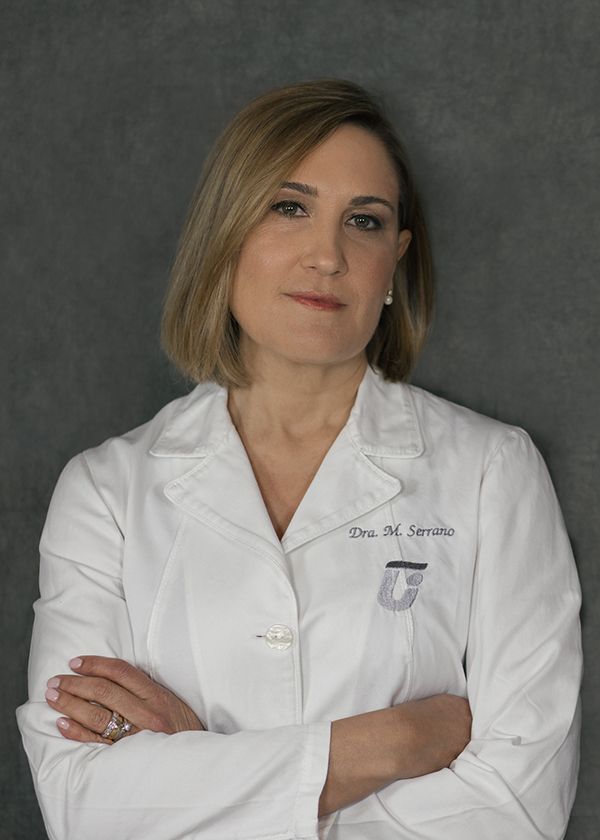
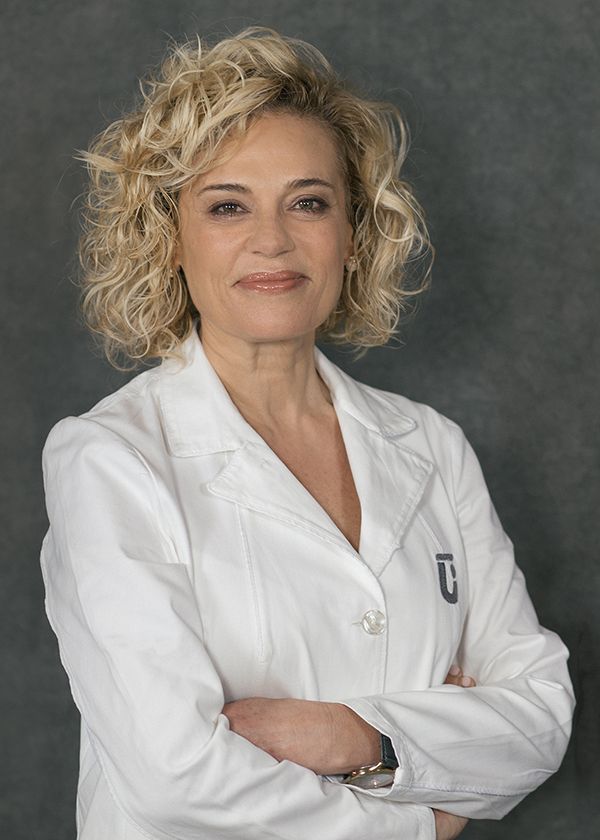
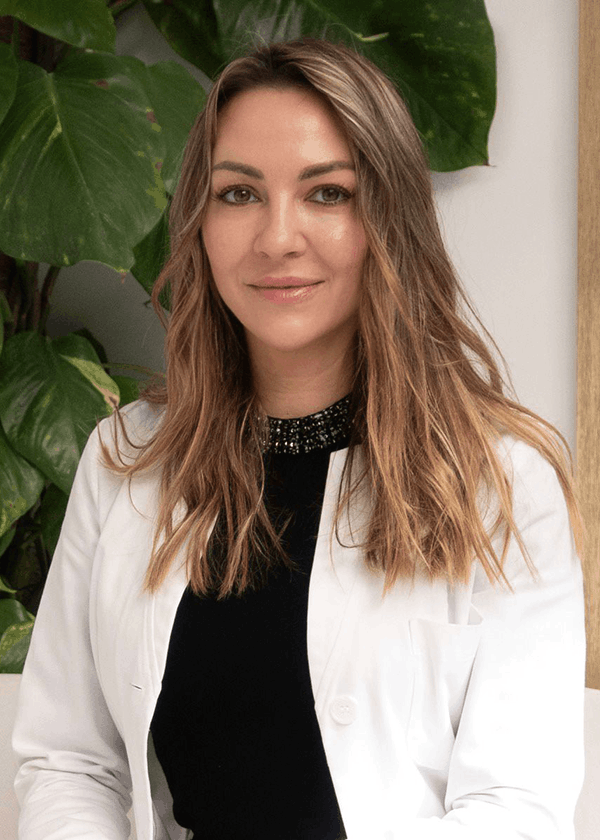
Expert Ultherapy Team

Multimedia
More information about Ultherapy
Video
Our doctors explain
Ultherapy has a tightening and toning effect, resulting in firmer and smoother skin. It slows down the skin aging process.
Diminishes signs of aging such as fine lines, wrinkles and sagging of the neck and décolleté.
Particularly suitable for people with a blurred jaw line.
Podcast
Radiofrequency: all questions answered with Jaime Tufet
FAQs
How is Ultherapy different from other treatments?
By using an ultrasound system, the exact treatment site is located.
It is the only system that treats the superficial musculature of the face and neck safely and without convalescence.
Is Ultherapy safe?
The safety profile is well established, as several specific medical studies have been published. More than 1.75 million treatments have been performed worldwide. The incorporation of an ultrasound scanner that indicates the exact working areas where to safely deposit the ultrasound and the qualification of doctors to know how to interpret the data, have been a large part of Ultherapy’s success.
Ultherapy or Thermage?
Unlike monopolar radiofrequency, Ultherapy penetrates into the deeper layers of the skin.
It is the only non-surgical treatment approved by the FDA to tighten the skin of the neck, décolleté and eyebrows.
Thermage is used specifically to tighten and rejuvenate skin contours.
Can Ultherapy replace traditional surgery?
Ultherapy treats the deep base layer of the skin (superficial musculoaponeurotic system, SMAS) that is treated in cosmetic surgery.
However, you will not have as dramatic results as with a surgical facelift.
It is a great alternative to surgery, especially for:
- those who are not prepared to undergo one.
- patients seeking to extend its effects.
How long does the treatment last?
The duration of treatment depends on the area treated and the individualized treatment plan of each patient.
A face and neck treatment lasts around 60-90 minutes, while the décolleté is treated in approximately 30 minutes.
How many treatments are usually necessary?
In most cases, one session is required for facial skin tightening. However, it depends largely on the degree of sagging. Annual follow-up treatments can help maintain results.
Can I be active after Ultherapy treatment?
Of course. You don’t have to undergo any procedures or post-treatment care.
Your skin may be slightly reddened, but it will disappear within a few hours. Some patients experience slight swelling or tingling, but these are mild and temporary in nature.